Tungnath Temple: History, Trek Route, Timings & Travel Tips
Planning Tungnath? Learn the temple's Panch Kedar significance, Chopta trek route, seasonal timings, Chandrashila extension, best time to visit and practical travel tips.
In this guideOpen
Evergreen travel guide
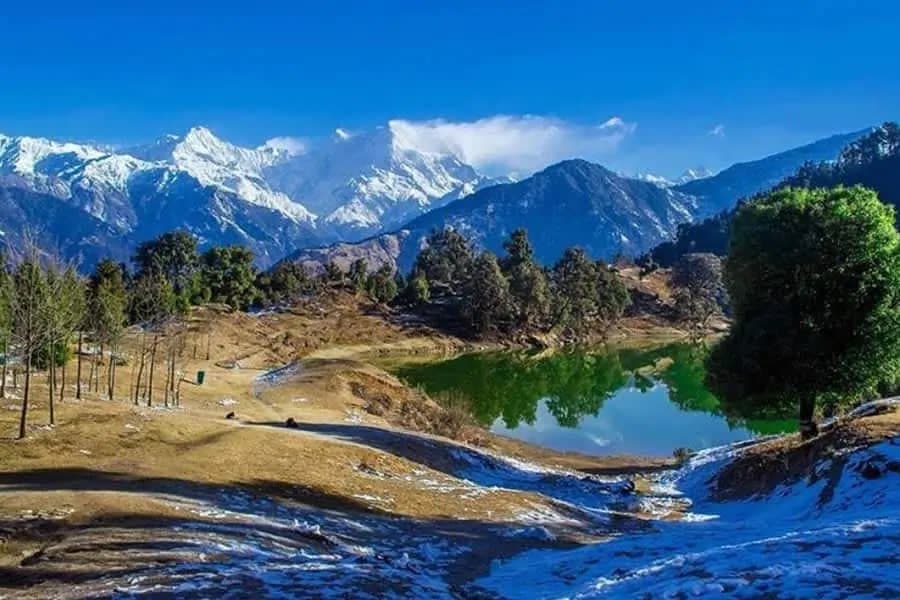
High in the Garhwal Himalayas of Uttarakhand, Tungnath Temple brings together faith, mountain scenery and a rewarding uphill walk from Chopta. Some visitors come for darshan, some for the trek, and others continue further towards Chandrashila for wider Himalayan views.
This guide covers the temple's importance, the Chopta-to-Tungnath route, seasonal timings, trek difficulty, Chandrashila, what to carry and the practical details first-time visitors usually want to know.
Location and elevation
Where is Tungnath Temple?
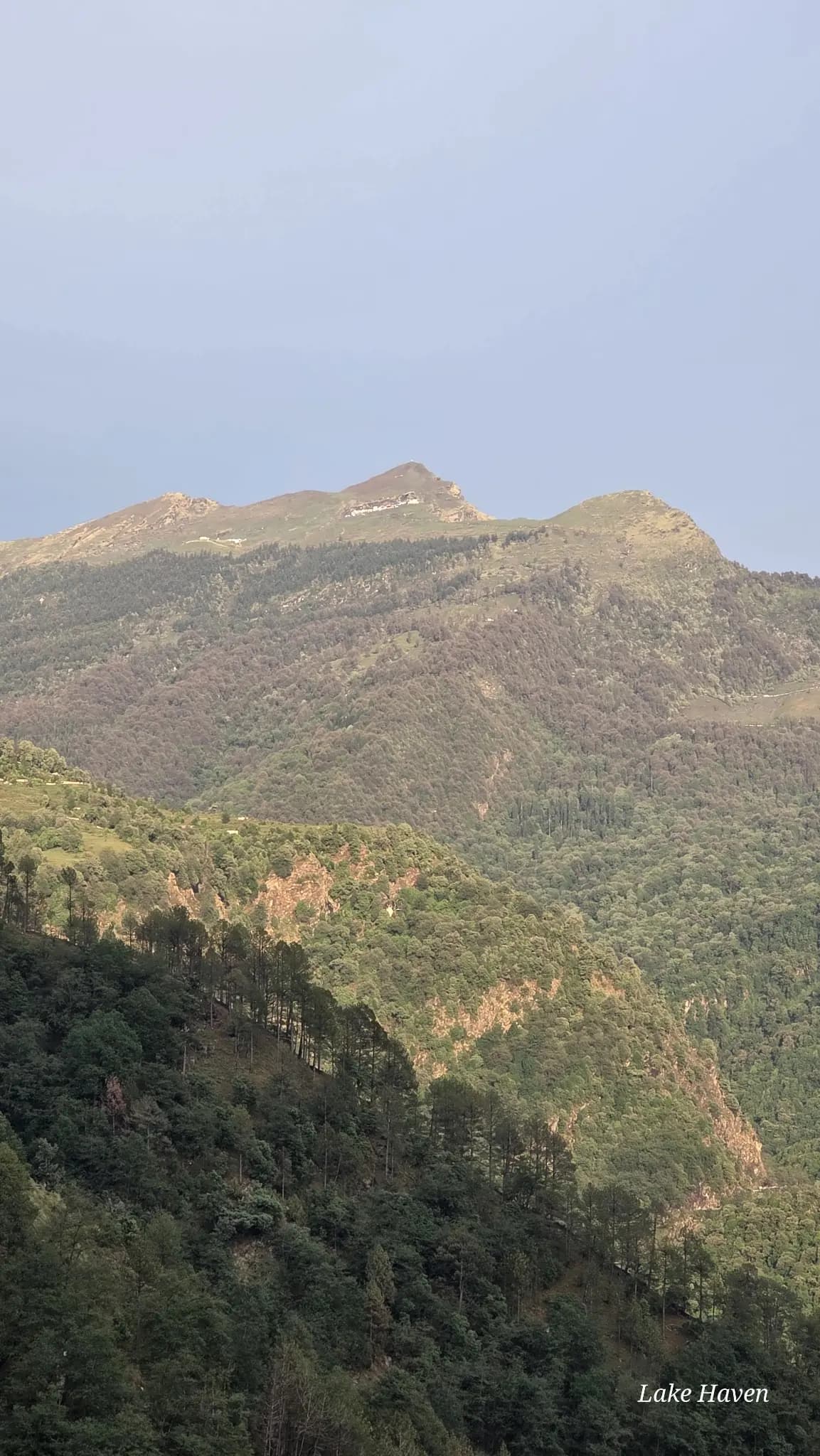
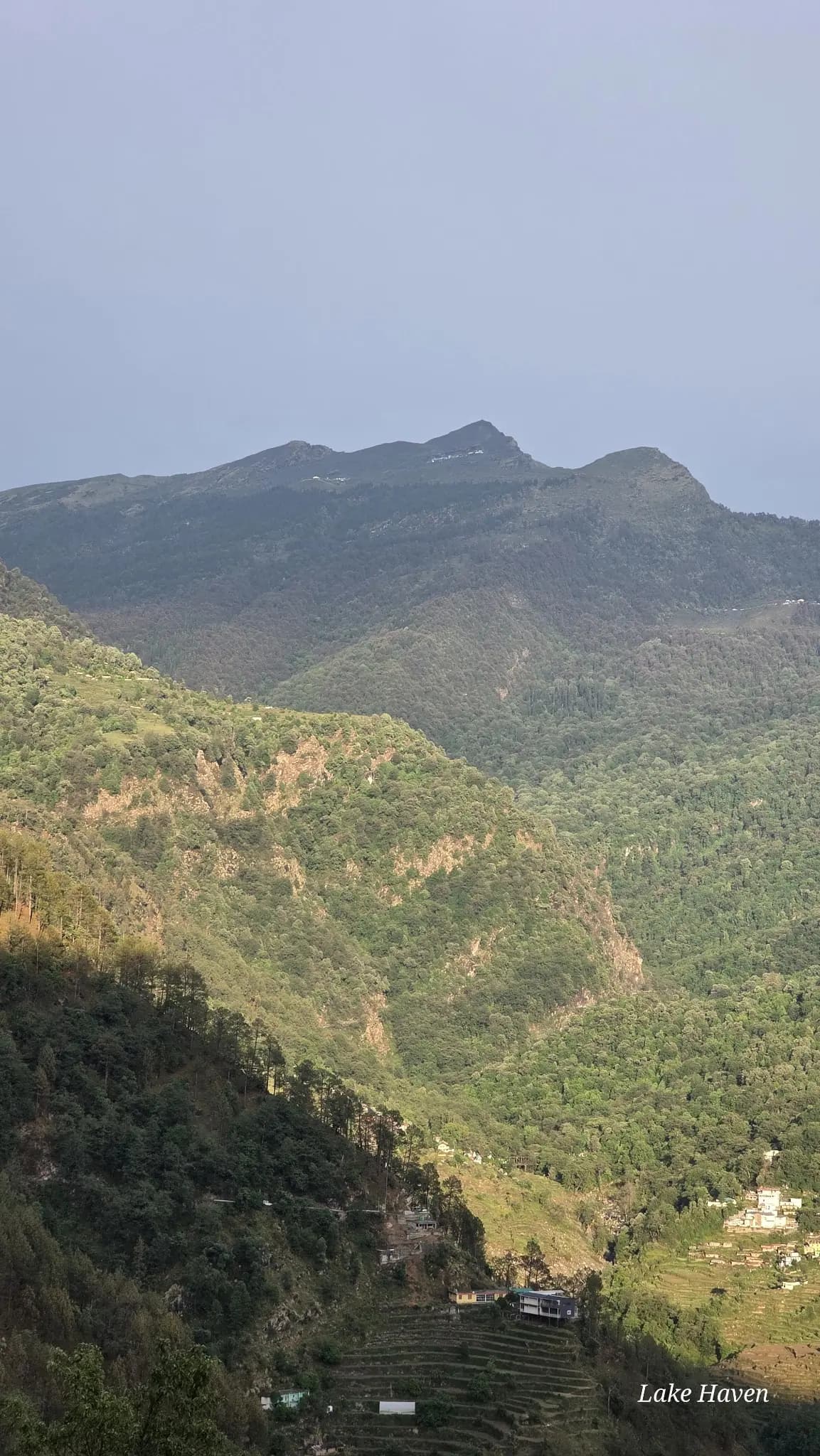
Tungnath Temple is in Uttarakhand's Rudraprayag district, above the Chopta region. The temple sits at approximately 3,680 metres and is reached on foot from Chopta.
The established trail is generally described as roughly 3.5 to 4 km one way. The distance is not long by trekking standards, but the sustained ascent and altitude make it more demanding than the number alone suggests.
Trail start
Chopta is the usual starting point for the walk to Tungnath.
Distance
Plan for roughly 3.5–4 km of uphill walking each way.
Altitude
The temple is at about 3,680 metres, so pace matters.
Panch Kedar tradition
Why is Tungnath Temple important?
Tungnath is one of the five sacred Shiva temples known collectively as the Panch Kedar. In the traditional story connected with the Pandavas, Tungnath is associated with the arms of Lord Shiva.
The temple is an ancient Himalayan shrine, but exact claims about its age vary widely. It is safer to understand it through its long religious tradition and its place within the Panch Kedar pilgrimage rather than depend on an unsupported year count.
Chopta to Tungnath
What is the Tungnath trek route like?
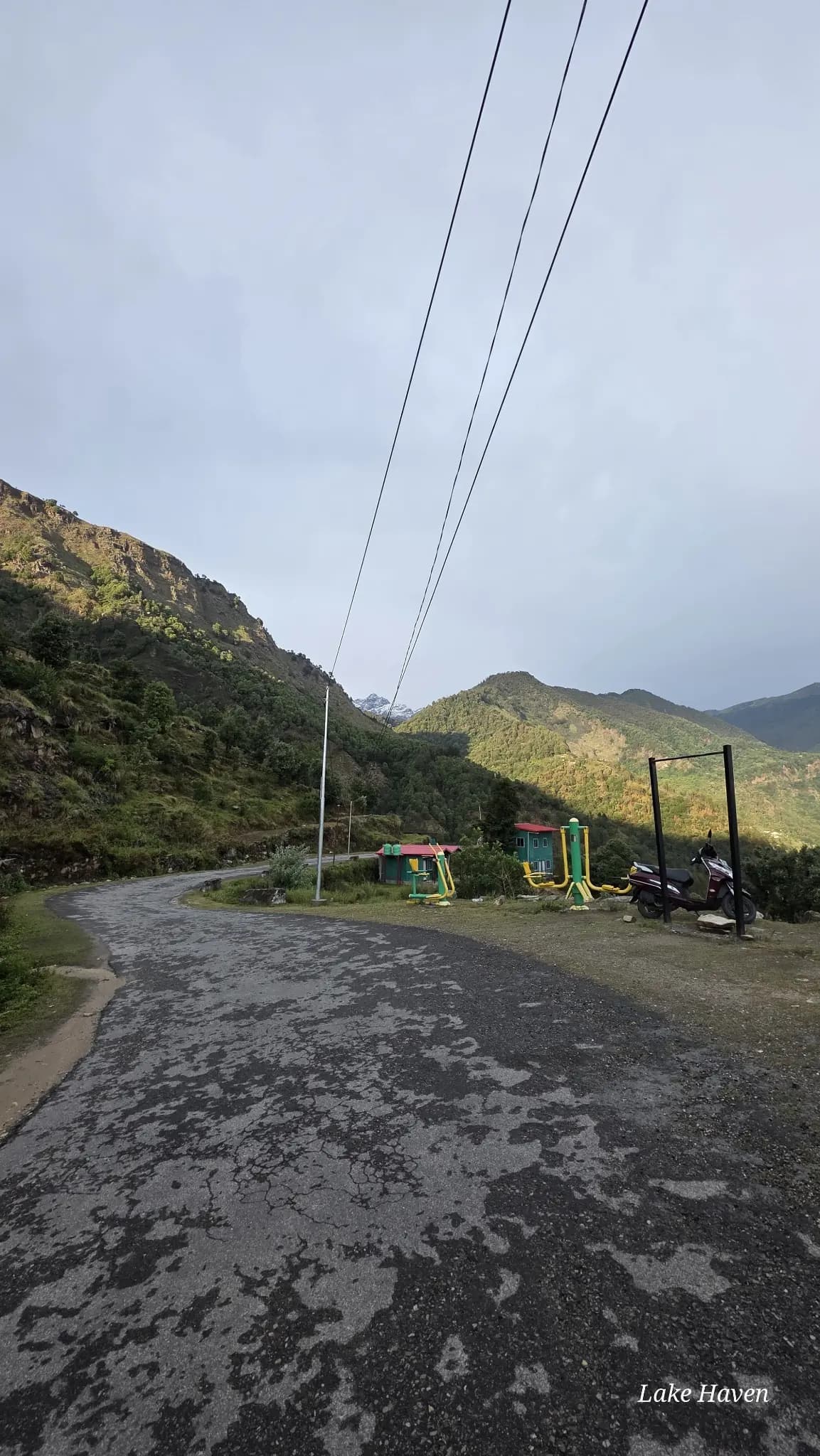
The route begins at Chopta and climbs steadily towards the temple. Much of the established path is stone or concrete-bound, but rain, frost, snow, sun exposure and steep gradients can change the effort considerably.
For reasonably active travellers, the trek is generally manageable, but beginners should avoid rushing. Walk at a steady pace, take short breaks, drink water and keep enough time to return before dark.
Seasonal temple
Tungnath Temple timings and seasonal opening
Tungnath is a high-altitude seasonal temple. It does not remain open throughout winter. Daily darshan timings can vary with the season and local religious arrangements, so a fixed hour copied from an old post should not be treated as permanent.
If darshan is the main purpose of your trip, confirm the current temple status and approximate daily timing shortly before travelling. Temple opening and closing dates also change each year.
After the winter closing, worship associated with Tungnath continues at Makkumath. Visiting Chopta in winter and having darshan inside the main Tungnath Temple are therefore two different questions.
Optional extension
What about Chandrashila?
Chandrashila lies above Tungnath and adds a steeper high-altitude section to the day. It is commonly described as roughly another 1.5 km from the temple area.
Treat Chandrashila as optional. If weather, visibility, fitness, snow or remaining daylight are not in your favour, turning back from Tungnath is the sensible decision.
Season by season
Best time to visit Tungnath
Spring to early summer
Popular for pilgrimage and trekking, with generally more comfortable walking conditions than winter.
Autumn
Often favoured for clearer mountain views after the monsoon, while temperatures become colder as winter approaches.
Monsoon
The landscape becomes green, but rain, cloud and slippery paths make conditions less predictable.
Winter
The main temple closes seasonally. Snow and ice can affect the road and trail, so check current conditions locally.
Simple preparation
What should you carry?
First-time visitors
Practical travel tips
Start early, avoid unsuitable footwear, do not assume morning weather will last all day, and do not force Chandrashila into the plan if conditions are poor.
Mobile connectivity can vary, so save important booking details and maps before leaving. Seasonal food stalls may not always be open, which is another reason to carry water and simple snacks.
Families and first-time trekkers can enjoy the route, but fitness, health and altitude matter more than labels such as “easy” or “family-friendly.” Senior citizens or anyone with heart, breathing, knee or mobility concerns should judge the climb carefully and seek medical advice when appropriate.
Build a relaxed itinerary
Places to combine with Tungnath
Final thought
Tungnath is special because it is not simply a temple and not simply a trek. The journey brings together faith, Himalayan scenery, physical effort and the quiet atmosphere of the mountains.
Start early, walk comfortably, respect the weather and keep the plan flexible. If you are staying in Sari Village and need current local information about Chopta, Tungnath, Deoria Tal or nearby road conditions, the Lake Haven Resort team is happy to share practical guidance before you set out.